ABOUT US
Our story, much more than sustainable packaging.
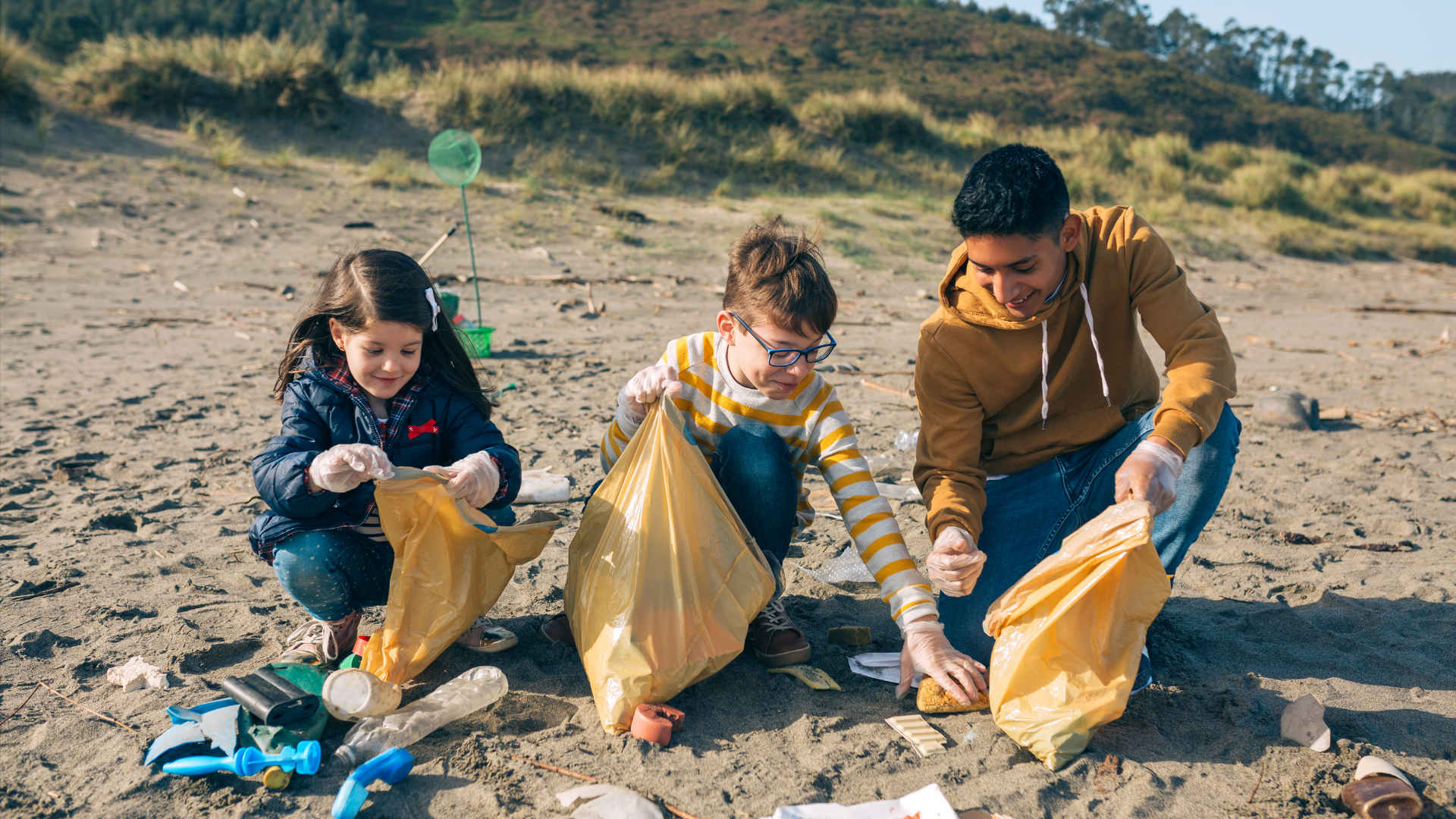
Happy Seal began in 2016 as a small nonprofit environmental initiative driven by a simple belief: even the smallest environmental projects deserve attention.
As an independent group of volunteers, we supported cleanup efforts in developing communities by promoting environmentally responsible products and collaborating with organizations already leading conservation initiatives.
Over time, we realized that many places needing immediate attention—small public parks, local forests, rivers, and neglected beaches—were often overlooked because they were simply too small to become a priority for larger institutions. Rather than waiting for someone else to act, we decided to identify and support these projects ourselves.
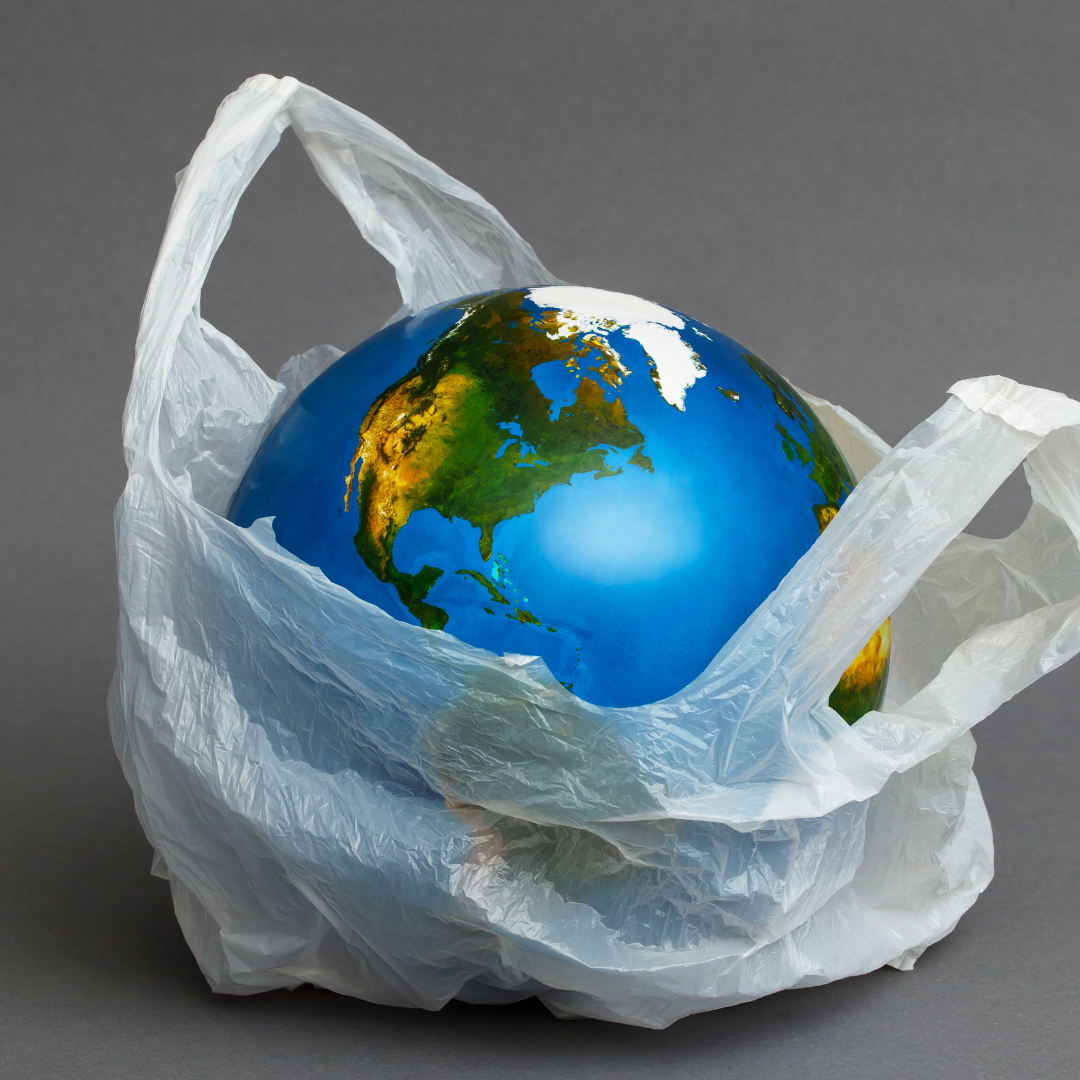
That same philosophy continues to define Happy Seal today. Every product we offer represents another opportunity to replace conventional plastics with more sustainable alternatives and help businesses reduce their environmental footprint.
From volunteers to a company.
From the very beginning, volunteers were the heart of Happy Seal.
Whenever projects required it, we provided our volunteers with meals, transportation, simple accommodations, and the equipment necessary to carry out cleanup efforts safely and effectively. Some projects required boats, containers, specialized equipment, and other resources beyond manual labor alone.
Keeping these initiatives alive required sustainable funding. Our work was supported through three primary sources: dedicated volunteers, generous donations, and the sale of environmentally responsible products.
By 2018, we realized that selling sustainable products could generate an even greater long-term environmental impact. That year, Happy Seal officially became a company dedicated to supplying sustainable food packaging solutions while remaining true to the mission that inspired its creation.
There are several certifications and standards that relate to our products such as:
- Biodegradable Products Institute (BPI) is a not-for-profit association that reviews and certifies compostable products that meet ASTM D6400 and ASTM D6868 conditions for compostability. The BPI certification program applies science-based testing to prove a material will compost in a municipal or commercial facility and leave no toxic or lingering plastic residues in the soil.
- Forest Stewardship Council (FSC) certification is a market-based tool that supports responsible forest management worldwide. FSC certified forest products are verified from the forest of origin through the supply chain. The FSC label ensures that the forest products used are from responsibly harvested and verified sources.
- TÜV AUSTRIA OK Compost is a certification program developed by TÜV Austria, certifies products and packaging to be compostable according to the European standard EN 13432.
- SEDEMA Compostable Ciudad de Mexico is a mandatory certification issued by the Mexico City government in order to sell and distribute disposable products.
Verified sustainability.
Sustainability begins long before a product reaches our customers.
Finding truly sustainable manufacturing partners is far more challenging than most people realize. Many products are marketed as “green,” but not all environmental claims are supported by meaningful certifications or responsible manufacturing practices.
At Happy Seal, we carefully evaluate every supplier before offering a product to our customers. We verify certifications, manufacturing practices, environmental compliance, and social responsibility standards throughout the supply chain to help our customers avoid greenwashing.
Because sustainable technologies continue to evolve, we constantly research new materials capable of replacing conventional plastics without compromising product performance or customer experience.
Rather than offering thousands of products, we intentionally maintain a carefully curated catalog that evolves as better materials and technologies become available.
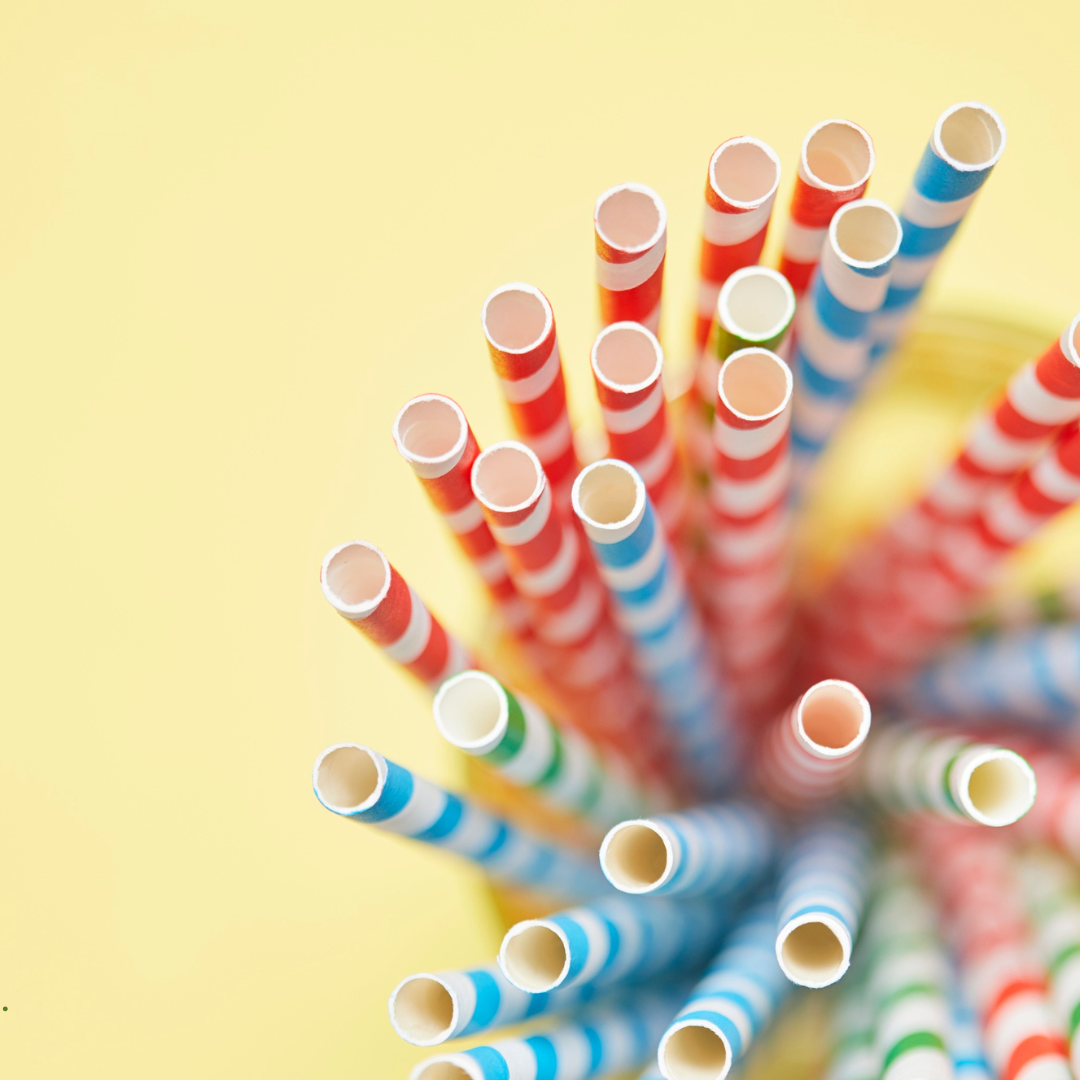
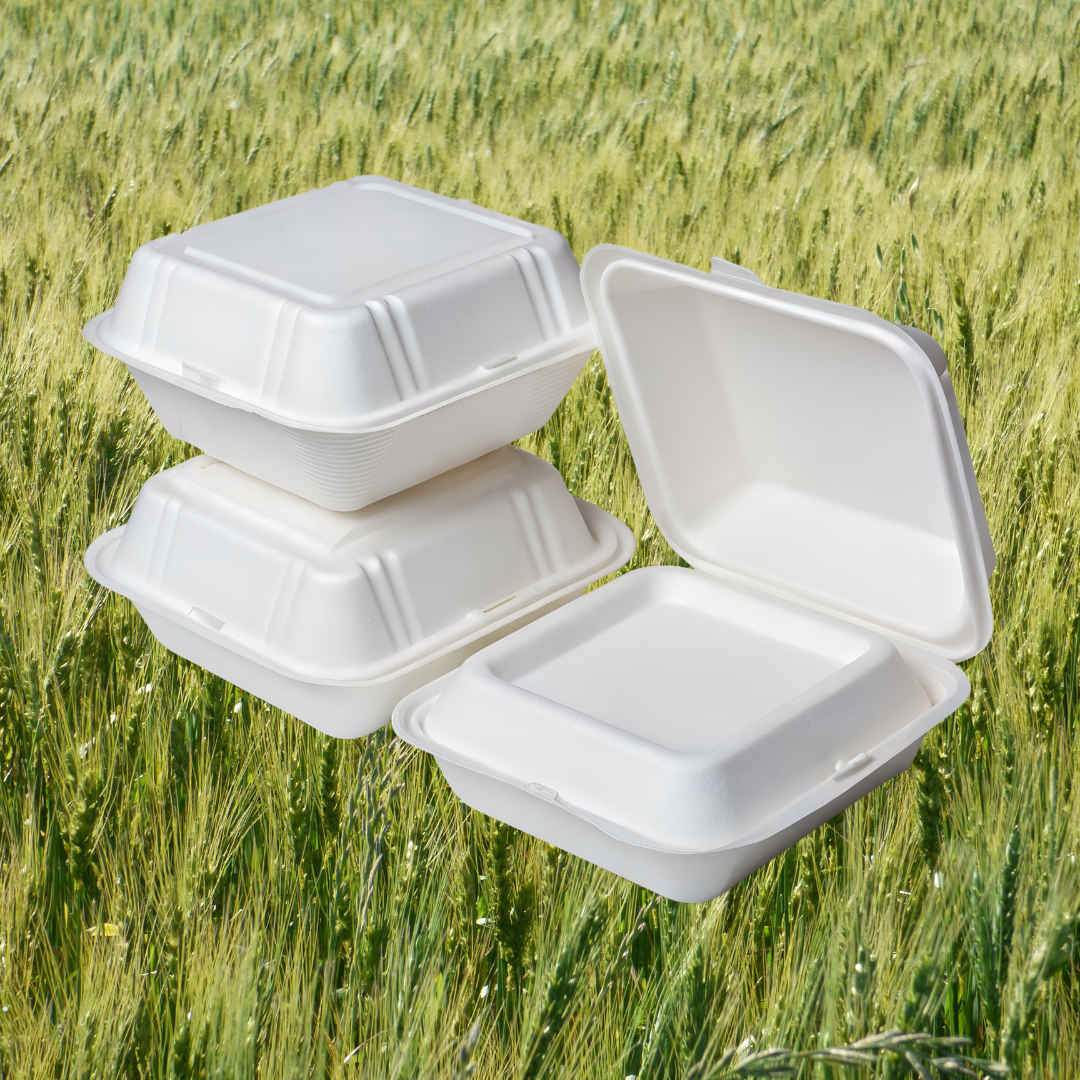
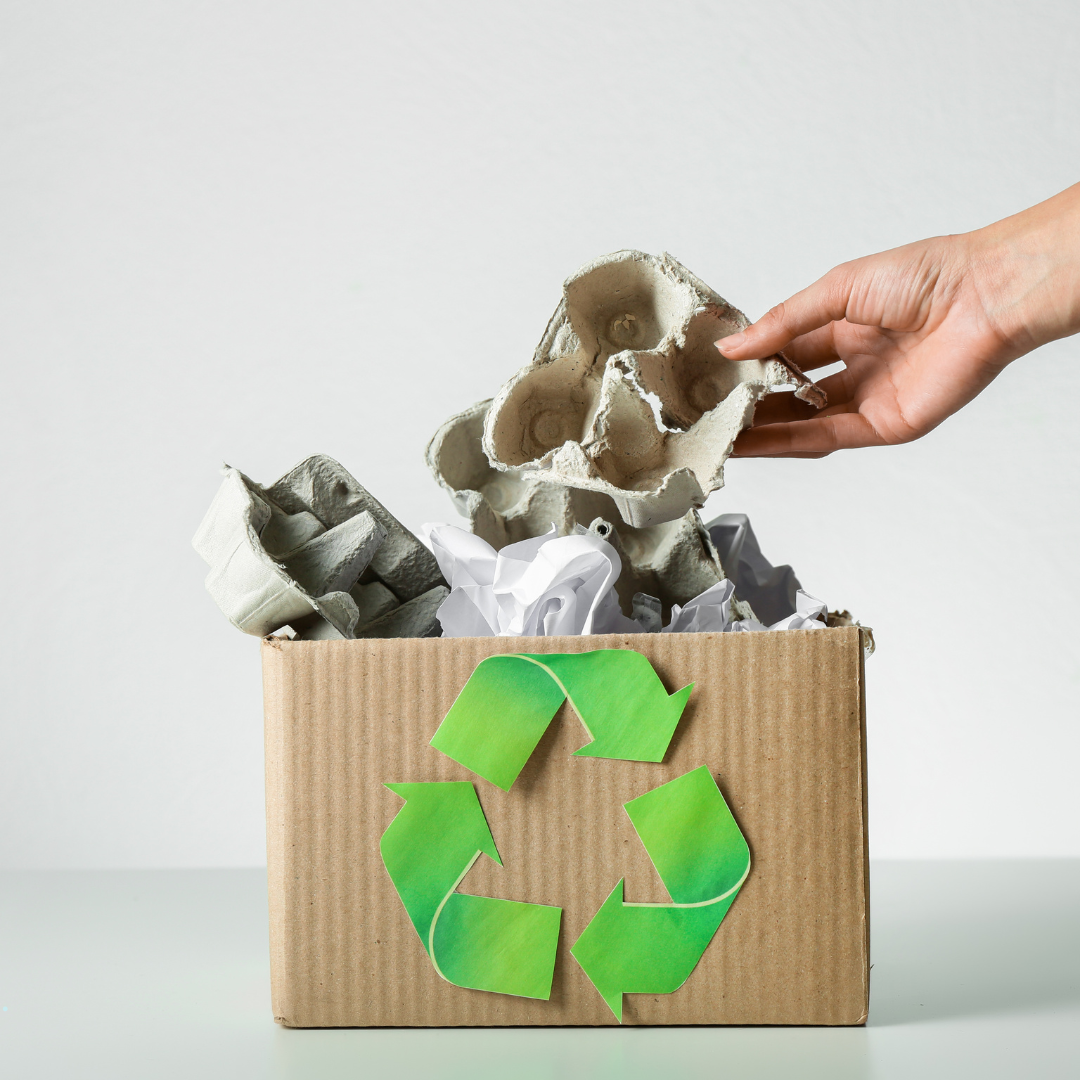
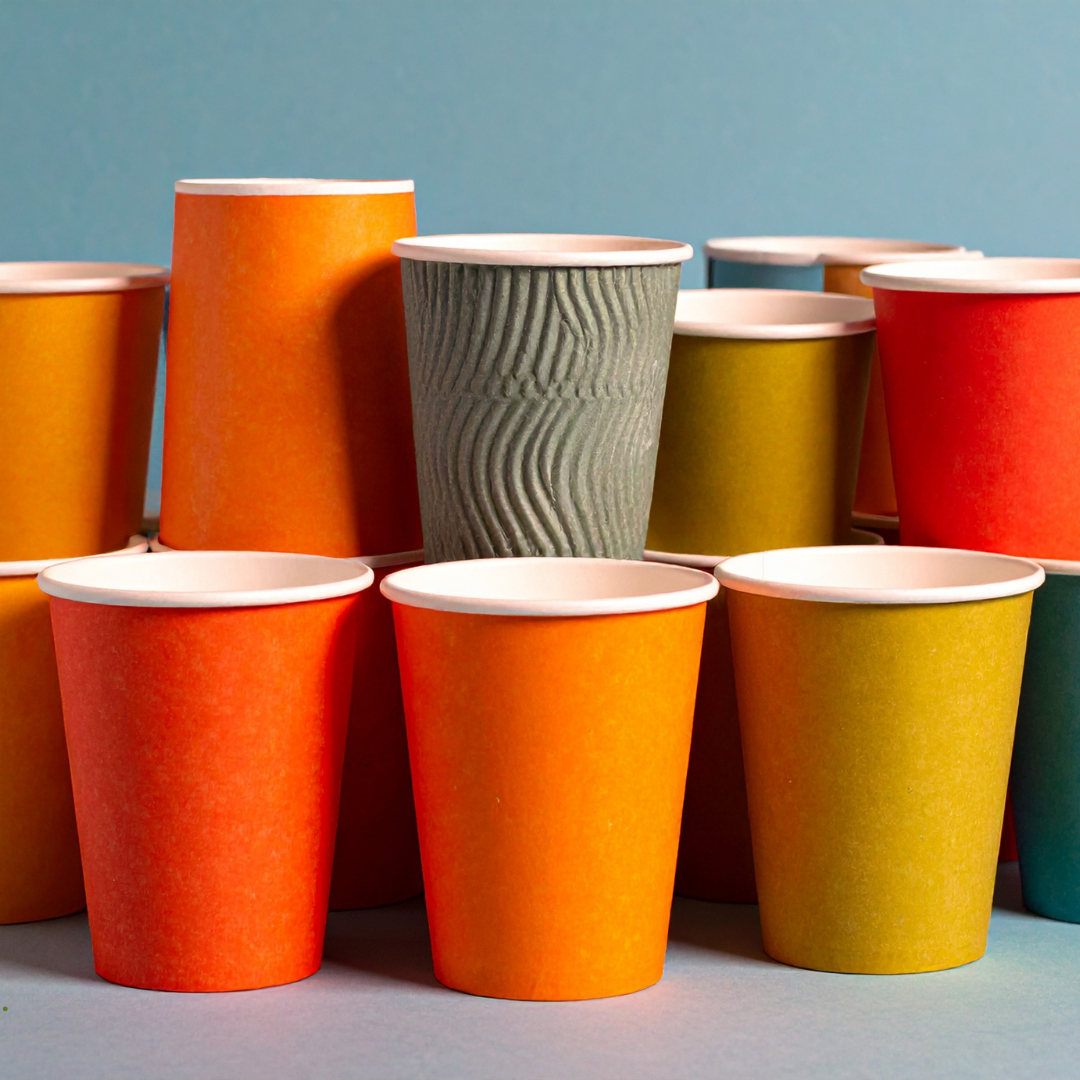
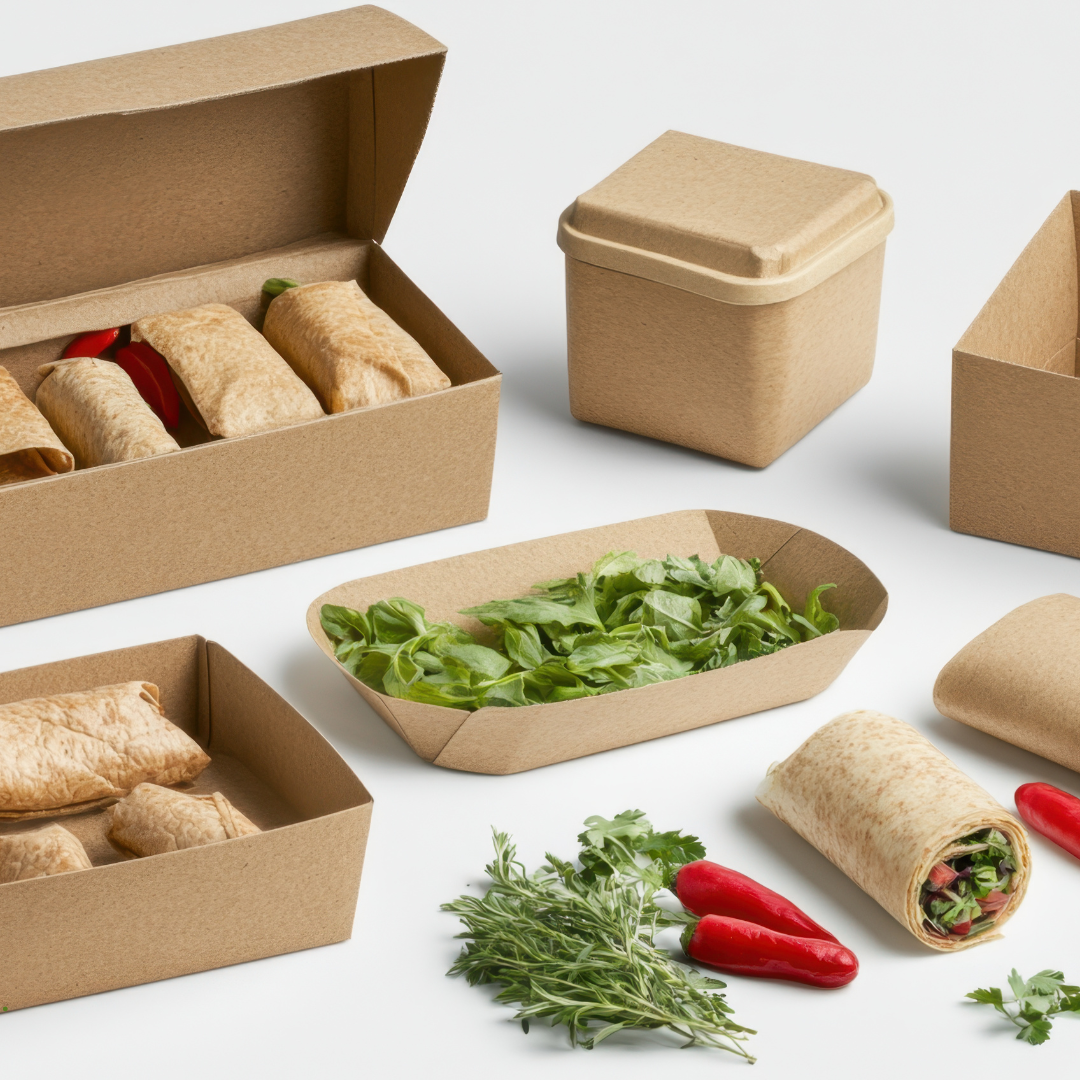
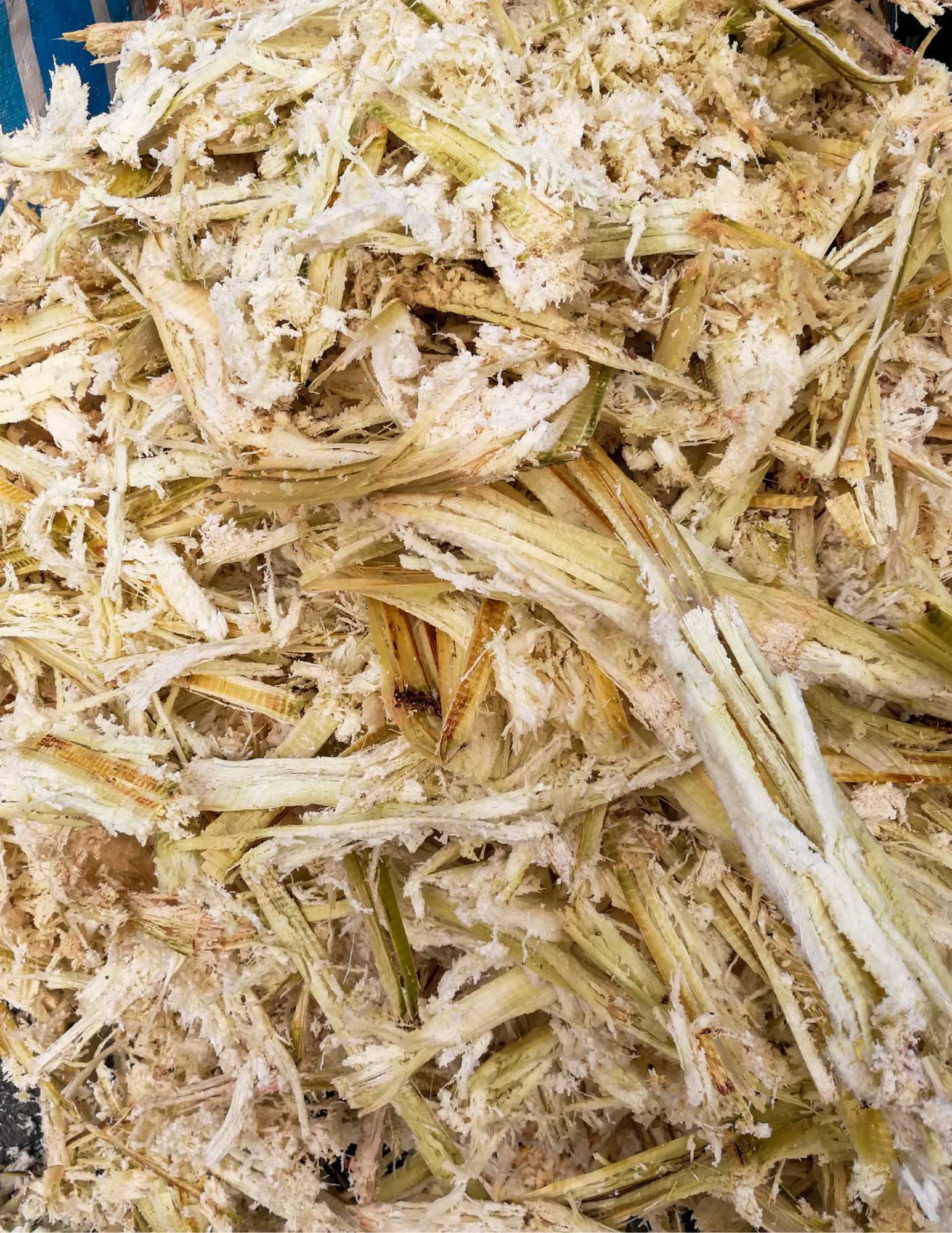
Most of our products are manufactured using renewable or recyclable materials such as sugarcane bagasse, PLA, PHA, cPLA, bamboo, wood, paper with water-based coatings, cornstarch, and aluminum.
Our manufacturing partners are located primarily in China and India, where many of the world’s leading producers of certified sustainable food packaging are based. We work only with manufacturers that meet our quality, environmental, and ethical standards.
Although sustainable products may cost more than conventional plastic alternatives, we believe genuine sustainability should always be supported by transparency, responsible sourcing, and measurable environmental value.
Looking ahead.
The transition toward more sustainable packaging will not happen overnight. It requires innovation, continued investment, better infrastructure, responsible manufacturing, and informed purchasing decisions.
At Happy Seal, we believe every business that chooses a more sustainable alternative becomes part of that progress.
No single product will solve the global plastic challenge. However, millions of responsible decisions made every day can create meaningful environmental change.
We remain committed to carefully selecting products that help businesses reduce their environmental footprint without compromising quality, functionality, or reliability.
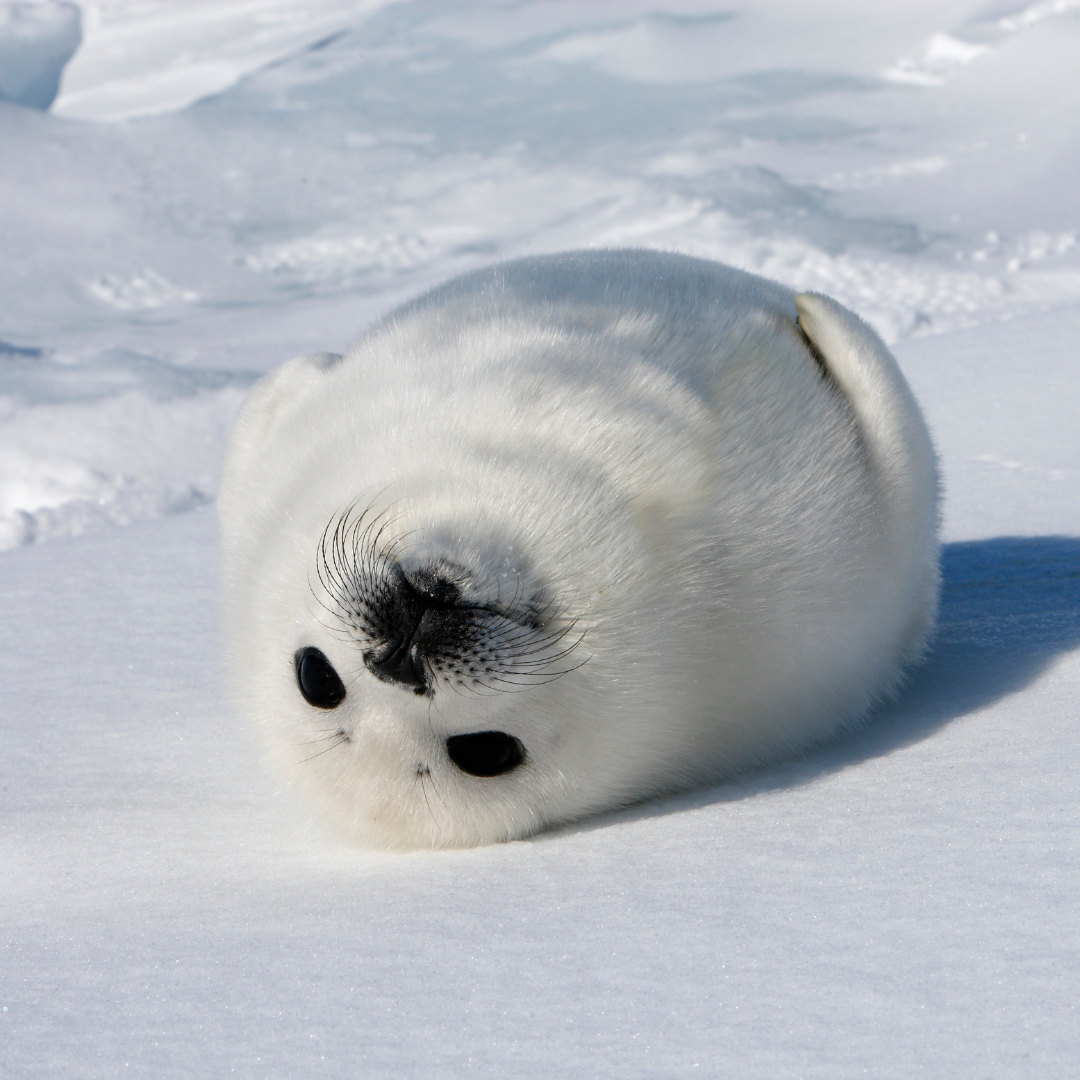
The smiling seal in our logo reminds us why Happy Seal exists—to help protect the natural environments that inspired us from the very beginning.
Together, we can build a cleaner and more sustainable future.
WHAT OUR HAPPY CLIENTS SAY

Our Partners, patrons, friends, and sources of INSPIRATION





HAPPY SEAL LLC
30 N Gould Street, Sheridan, WY, 82801
sales@happyseal.com.mx
HAPPY SEAL MEXICO
Central de Abastos de la Ciudad de México
Av. Canal de Río Churubusco esq. Canal de Apatlaco
Pasillo J local 57b
Colonia Central de Abasto
CP 09040
Alcaldía Iztapalapa
Ciudad de México
direccioncomercial@happyseal.com.mx
5565354098